News Update

Australia’s horticulture sector reached a value of A$18.4 billion in 2025/26, while fresh horticulture exports climbed to a record A$3.5 billion, according to Hort Innovation’s latest annual report. The report outlines developments in fruit and vegetable exports, crop protection, research, and domestic consumption, alongside the challenges of rising costs, labor availability, and biosecurity risks.
Hort Innovation’s 2025/26 annual report identifies export market access, crop productivity, biosecurity, and consumer demand as areas of investment for Australia’s horticulture industry. The latest available industry statistics, covering 2024/25, show fresh horticulture exports reached A$3.5 billion, an increase of 13 per cent from the previous year and 126 per cent over the past decade.
The sector supplies 78 export markets, with China accounting for 35 per cent of export value, followed by India at 6.3 per cent, Vietnam at 5.5 per cent, Hong Kong at 5.4 per cent, and Japan at 5.2 per cent. Horticulture represents 19.7 per cent of Australia’s agricultural output by value.

New export opportunities for fruit growers
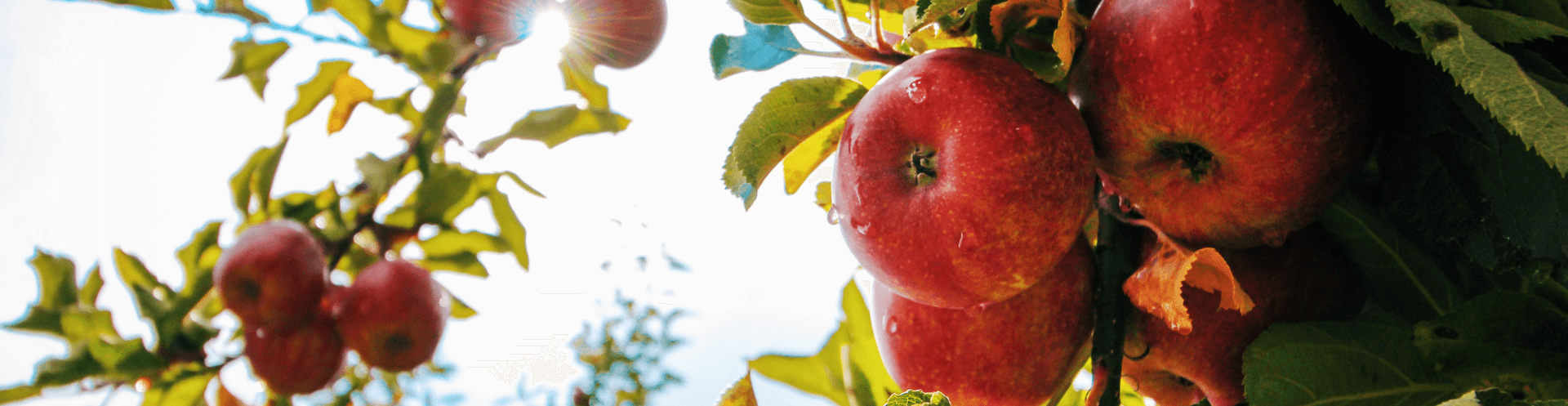
The report highlights market access developments for blueberries and apples. Australian blueberries have gained access to Vietnam through a new export protocol, with the industry targeting A$22 million in exports over the next five years, almost double its current value.
Mainland-grown Australian apples have also gained access to China under a biosecurity agreement. According to the report, China’s apple import market is worth more than A$250 million annually, with imports increasing by almost 14 per cent annually over the previous five years.
A separate agreement provides Australian apples with access to Canada without requiring fumigation or cold treatment, allowing exporters to maintain fruit quality during distribution.
Technology and crop management
Research investments also cover automation in protected cropping. Trials of automated greenhouse pollination and spraying technology reported labor reductions of 70 to 80 per cent, with estimated savings of approximately A$25,000 per unit annually and an indicative payback period of two years.

The technology was developed and demonstrated with protected cropping partners, including Flavorite. Trials examined pollination consistency, fruit set, spray coverage, and worker exposure to crop protection chemicals.
Vegetable consumption and crop losses
Domestic vegetable demand is another focus. The six-year Plus One Serve program, led by AUSVEG, aims to increase Australian vegetable consumption by one serving per person per day. The initiative combines consumer research, retail partnerships, and behavioral studies.
The report also estimates that up to one million tons of Australian horticultural produce are lost annually. Research is examining on-farm losses, alternative markets for out-of-spec produce, and opportunities to recover value from surplus harvests.
Biosecurity remains part of the research agenda, with CitrusWatch and VegWatch supporting surveillance, pest detection, and preparedness across fruit and vegetable growing regions.
To view the full report, click here.
 For more information:
Hort Innovation
Tel: +61 (0) 427 142 537
Email: media@horticulture.com.au
www.horticulture.com.au
Source: FreshPlaza


Become a Member
We’re the peak industry body for Australian Horticulture Trade. Joining AHT helps us advocate for you & the greater good of the industry.